The Art of Raku Pottery: A Fusion of Tradition & Technique
Raku pottery, a distinctive and fascinating ceramic style, has captivated potters and collectors alike for centuries. Its rich history, unique firing techniques, and vibrant finishes make it one of the most exciting forms of pottery to create and appreciate. In this blog post, we’ll explore what Raku pottery is, delve into the process behind it, and examine its distinctive characteristics, from glaze application to firing temperatures. Whether you're a seasoned potter or a beginner curious about the craft, this guide provides insights into the captivating world of Raku.
What is Raku Pottery?
Raku pottery refers to a particular method of firing ceramic ware that dates back to 16th-century Japan. The term "Raku" itself means "pleasure" or "enjoyment," reflecting the joyous and spontaneous nature of this art form. While it originated in Japan, the process has evolved over time and has been embraced worldwide, particularly in Western ceramics.

Left: Raku Shell Vase
Raku is best known for its vibrant, unpredictable finishes and the unique textures that arise from the specific firing process. Unlike traditional kiln firing, which involves a slow, controlled process, Raku involves removing pottery from the kiln while still glowing hot and placing it into combustible materials like sawdust or straw. This technique creates the signature cracks, smoke effects, and metallic sheens that characterise Raku.
The Raku Pottery Process
To understand Raku, it’s essential to break down its process into distinct stages. Each step is integral to achieving that iconic, earthy, and often fiery finish.
1. Choosing the Clay for Raku
The choice of clay is critical in Raku, as it must be durable enough to withstand rapid heating and cooling without cracking. Generally, potters use a special Raku clay that is lightweight and has a slightly porous texture. This type of clay is specifically designed for the quick temperature changes in Raku firing.
A key feature of Raku clay is its ability to hold the glaze without the surface cracking during firing. The clay used for Raku is often grogged, which means it contains fine particles of sand or crushed materials, giving it texture and strength. It also allows for better control during the firing process.
2. Glazing Raku Pottery
One of the defining aspects of Raku is the application of glazes. Raku glazes are often applied in multiple layers, and the choice of glaze significantly impacts the final result. The glazes used for Raku can range from matte to glossy, and they often contain metal oxides that react with the smoke during the reduction phase to create stunning colours and textures.
Raku Glaze Application
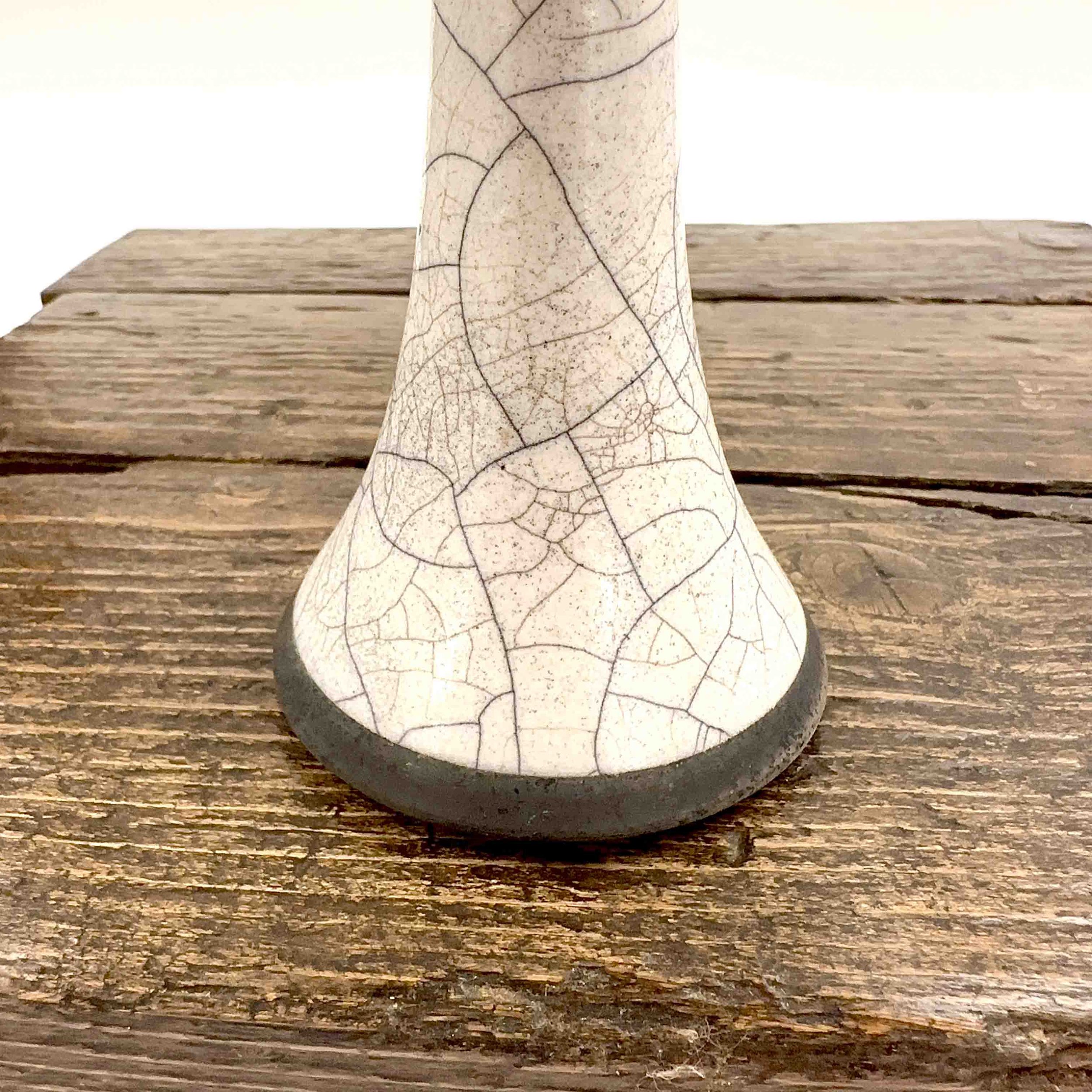
Right: Crackle Bud Vase -Peter Sparrey Potter
The application of Raku glazes can be a delicate and creative process. Potters often apply the glaze in a way that accentuates the natural textures of the clay body, allowing the glaze to pool in certain areas and create interesting variations in finish. The most common glazes used in Raku are copper-based, which can result in beautiful metallic effects when exposed to the reduction environment.
Raku glazes tend to be thicker than standard ceramic glazes, which helps create the striking textures and crackle patterns that are characteristic of the style. These glazes can be brushed, dipped, or sprayed on the pottery. Potters often experiment with combinations of colours, textures, and application techniques to create one-of-a-kind pieces.
3. Raku Firing Temperatures and Reduction
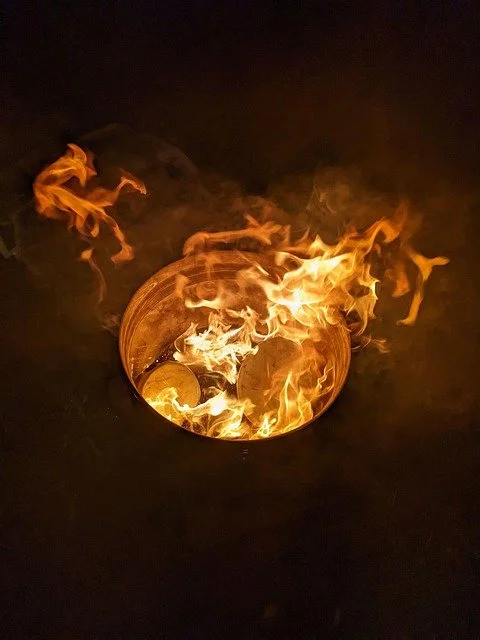
Left: Raku Reduction
Raku is known for its rapid and dramatic firing process. Traditional ceramic firing methods can take hours, but Raku firing is much quicker. The pottery is typically fired to temperatures ranging between 800°C to 1000°C (1472°F to 1832°F). The heat causes the glaze to melt and bond to the clay, but it also makes the clay body more susceptible to cracks, which is part of the charm of Raku.
Once the pottery reaches the desired temperature, it is removed from the kiln while still glowing hot. At this point, the reduction process begins. Pottery is placed into a container filled with combustible materials such as sawdust, leaves, or straw. The materials ignite and create a reduction atmosphere(predictably smoke rich), where the oxygen is limited, resulting in a unique reaction between the glaze and the materials. The result is the creation of smoke marks, metallic lustres, and the crackled effect that Raku is known for. It's a dramatic, rapid cooling process central to Raku's character. The reduction phase is an unpredictable process, and each piece of pottery is often unique in its finish. Some pieces develop bold black crackle lines, while others have a more subtle metallic sheen, thanks to the copper or silver oxides used in the glaze.
The Role of Sawdust and Feathers in Raku
Sawdust is a common combustible material used in the reduction process. It reacts with the glaze to produce varying degrees of carbonisation, which gives the pottery its distinctive smoky effect. As the glowing hot pottery interacts with the sawdust, it produces a stark contrast between the shiny, metallic parts of the glaze and the matte black sections where the carbon has been absorbed.
In some Western variations of Raku, potters may also use feathers or other organic materials to add texture and interest to the piece. When placed in the reduction chamber, these materials contribute to the unique patterns and textures that emerge during the firing process.
4. Western vs Eastern Raku Pottery
While Raku originated in Japan, it has taken on unique characteristics in the West, particularly in the United States and Europe. Understanding the difference between Eastern and Western Raku styles can give you deeper insight into the evolution of this technique.
Eastern Raku
Traditional Japanese Raku is closely associated with the Tea Ceremony, where tea bowls are created using a slow, deliberate process. The pottery is typically hand-built and fired in small, wood-fired kilns. The aesthetic value of Japanese Raku lies in its simplicity, asymmetry, and rustic appearance, embodying the principles of wabi-sabi, which celebrates imperfection.
In Japanese Raku, the reduction process is usually less intense than in Western Raku. The emphasis is on subtle, natural glazes, and the finished piece often reflects a more understated beauty.
Western Raku
Western Raku, on the other hand, has evolved to embrace a more experimental approach. Potters in the West often incorporate modern tools and equipment, and the firing process is typically much faster. The glazes used in Western Raku are often more vivid, and the reduction phase is more dramatic, sometimes resulting in fiery red or gold hues, copper lustres, and even copper matte finishes.
Western Raku is also less concerned with the traditional aesthetic of the Tea Ceremony, allowing for a wider range of shapes, sizes, and textures. This has made Raku pottery more accessible to a broader audience and allowed artists to push the boundaries of the medium.
5. Materials and Techniques in Raku Production
The materials used in Raku are essential to the final outcome, and several unique ingredients are employed to achieve the desired effects. These include:
Copper Carbonate: Used for creating lustrous, metallic finishes. Copper is one of the most common materials for Raku glaze, giving pieces their signature green or red hues.
Silver Nitrate: A material that helps create metallic sheen effects when it reacts with the glaze during the reduction phase.
Clay Additives: Potters may add materials like sand or grogged clay to their mixtures to create textures that will accentuate the glaze and its natural patterns during firing.
Feathers: Used in the reduction phase for adding unique markings to the pottery’s surface. The feathers often leave behind delicate, organic imprints.
In addition to the materials, techniques like masking, where certain parts of the pottery are blocked from exposure to the reduction environment, are common. Potters also experiment with combining Raku with other techniques like slip trailing or incising to add further dimension and interest to their pieces.
6. Copper Matte Finishes in Raku
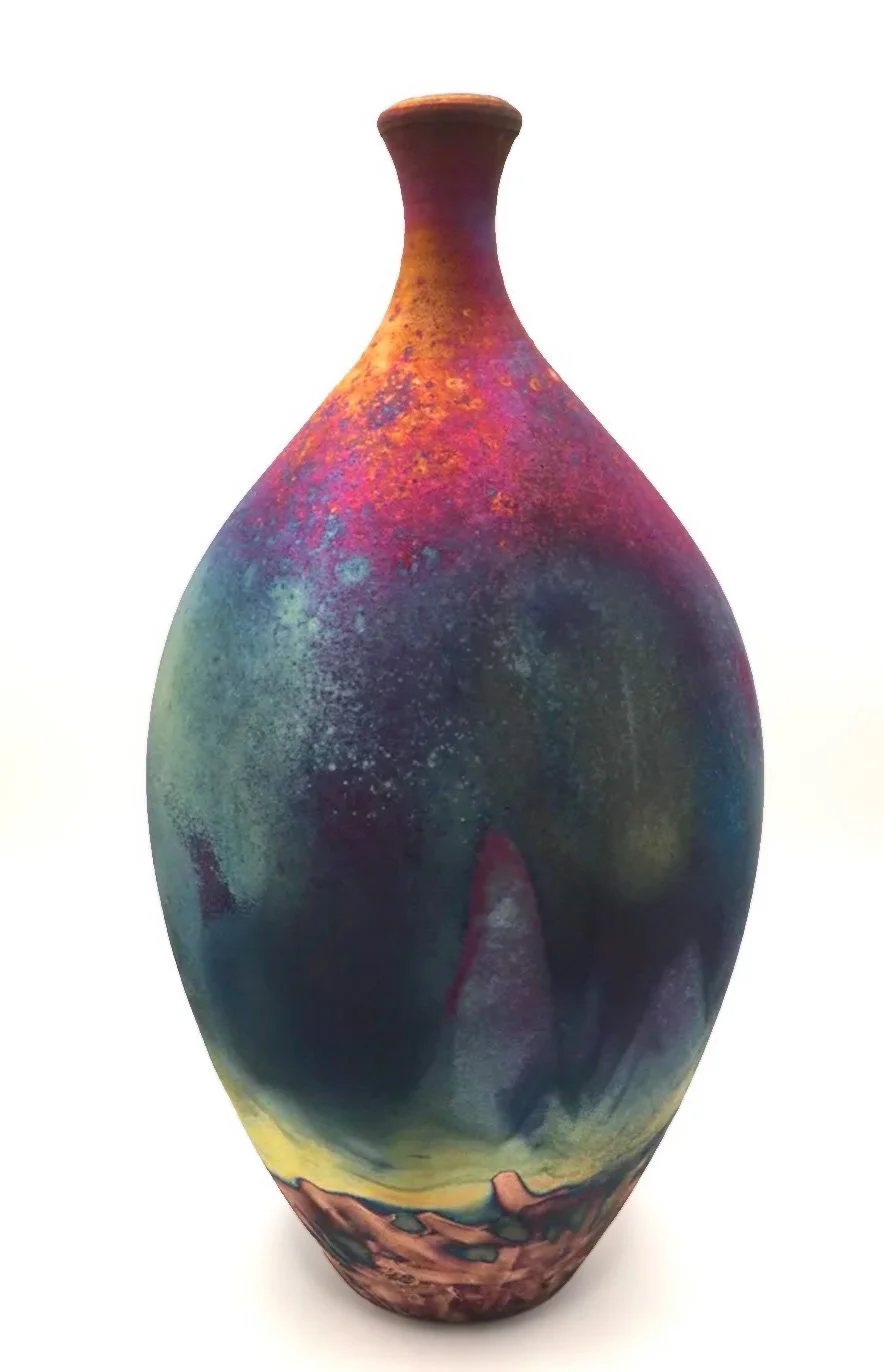
Right: Chris Hawkins Potter, Copper Matte Raku
One of the most striking finishes that can result from the Raku firing process is the copper matte finish. This technique involves the use of copper-based glazes and reduction firing, where the pottery is exposed to carbon and smoke. Copper matte finishes typically present as a rich, satin-like surface with metallic blue, green, or gold tones, which are a direct result of the chemical reactions between the glaze and the reduction environment.
Achieving a perfect copper matte finish is a delicate balance between temperature, timing, and the choice of materials. Potters who specialise in this technique spend years perfecting their craft to create a finish that is smooth, lustrous, and unique to each piece.
Conclusion: The Timeless Appeal of Raku Pottery
Raku’s charm lies in its blend of spontaneity and tradition. From the moment the pottery is taken out of the kiln to the final unveiling of the glaze, each step in the process offers endless possibilities for creativity and expression. Whether you’re fascinated by the sawdust reduction or the copper matte finishes, Raku offers a diverse range of artistic outcomes that make each piece one of a kind.
By understanding the history, materials, techniques, and cultural differences between Eastern and Western styles of Raku, potters and collectors alike can gain a deeper appreciation for this remarkable art form. Raku continues to captivate ceramic artists worldwide, inviting experimentation, exploration, and creativity at every turn.