A Guide to British Watercolour Artists of 20th Century
Watercolour painting is often considered one of the most delicate and expressive art forms. The 20th century saw a remarkable evolution in the world of British watercolour artists 20th century, as they pushed the boundaries of traditional techniques and experimented with new forms of expression. Whether you're a seasoned art collector or a beginner, understanding how to collect British watercolours from the 20th century can be both an enriching and rewarding experience.
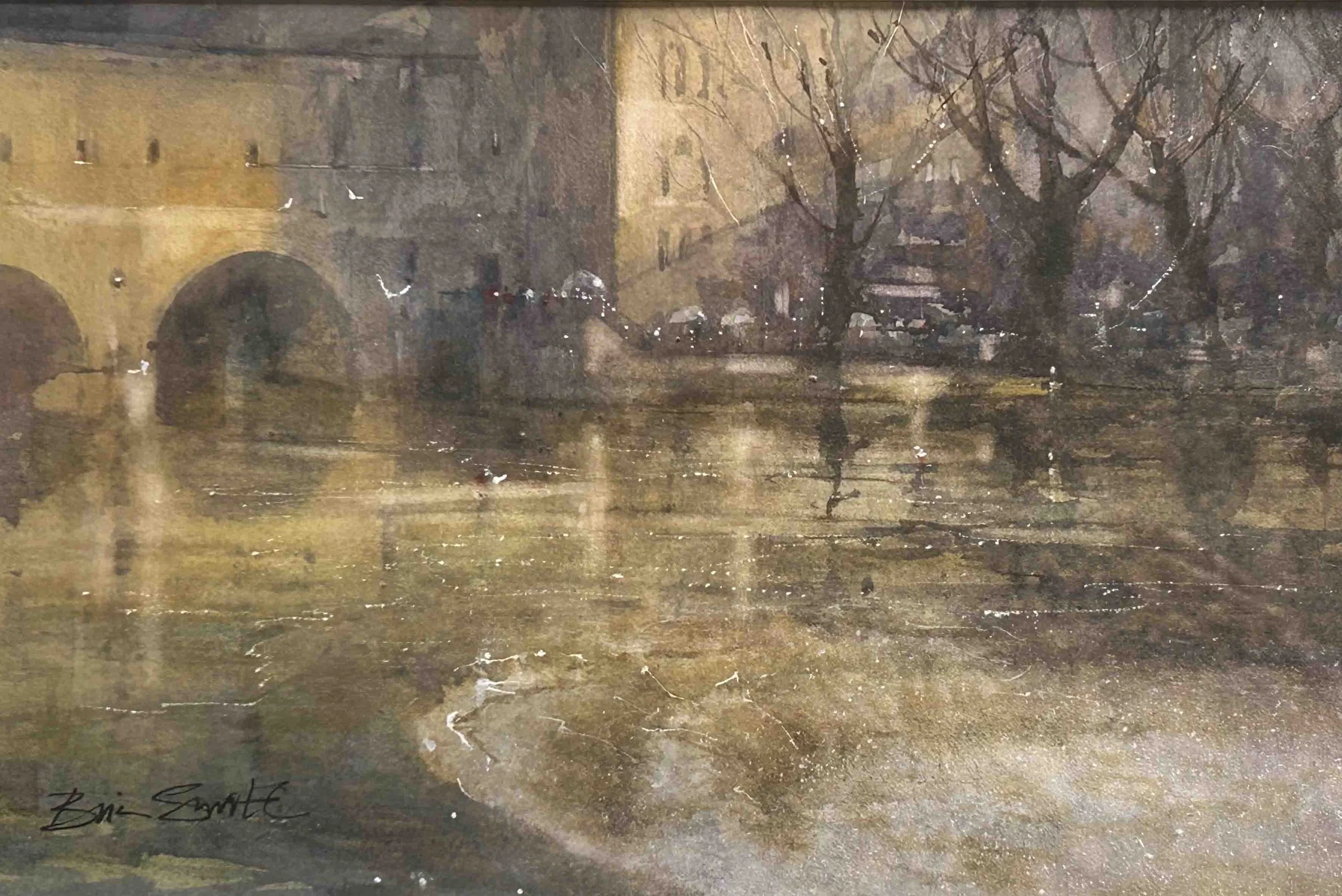
Left: Brian Smith, Contemporary British Watercolour Artist, (Private collection)
In this guide, we’ll explore why British watercolour artists 20th century are so highly regarded, how to start collecting their works, and what to look for when building your collection.
What are Watercolours, the brushes and paper?
Watercolour paints are a translucent, water-based medium made from finely ground pigments suspended in a water-soluble binder, typically gum arabic. When mixed with water, the paint becomes fluid and can be applied in delicate washes or bold strokes, allowing for a wide range of effects. Unlike opaque paints, watercolours rely on the whiteness of the paper beneath to reflect light, giving the medium its characteristic luminosity. They are favoured for their portability, fast drying time, and subtle layering capabilities. Watercolours are commonly used on specially textured paper and have been popular for centuries among landscape artists, illustrators, and botanical painters.
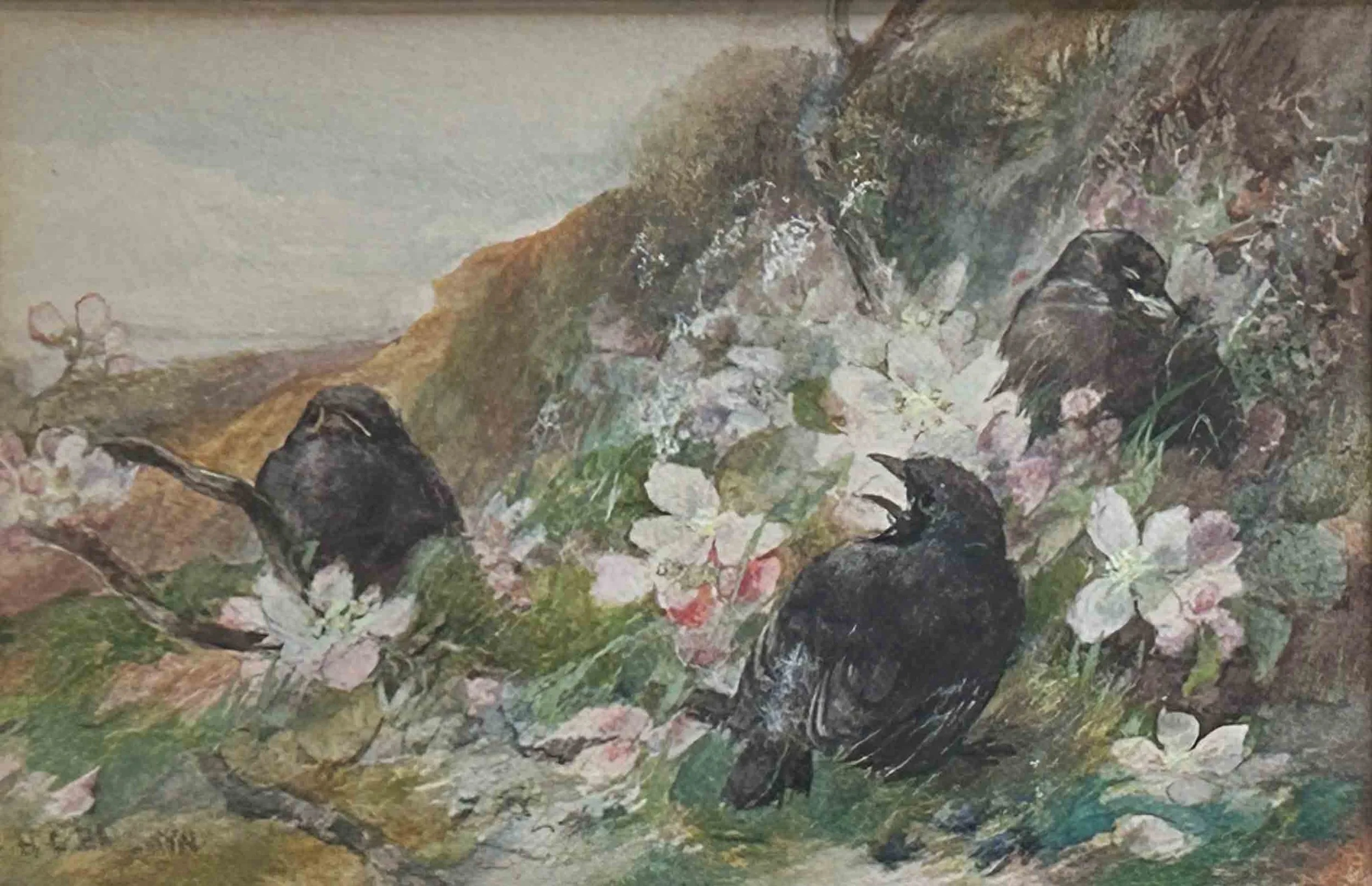
Right: Charles Henry Clifford Baldwyn (1859-1943), better known for his artwork on Royal Worcester Pottery, (Private Collection)
Over the last 100 years, watercolour brushes have improved through the development of high-quality synthetic fibres that mimic natural sable, offering durability, affordability, and precision. Ergonomic handles, better water retention, and consistent brush shapes have enhanced control and versatility, making modern brushes more reliable for both professionals and beginners.
Watercolour paper comes in three main textures: hot-pressed (smooth), cold-pressed (moderately textured), and rough. Hot-pressed is ideal for fine detail but less absorbent. Cold-pressed offers a balance of texture and absorbency, suitable for most styles. Rough paper provides strong texture for expressive washes but less control. Paper weights vary—heavier papers (300gsm+) resist buckling when wet, while lighter ones require stretching to prevent warping. Cotton-based papers offer superior durability.
Why Collect British Watercolours of the 20th Century?
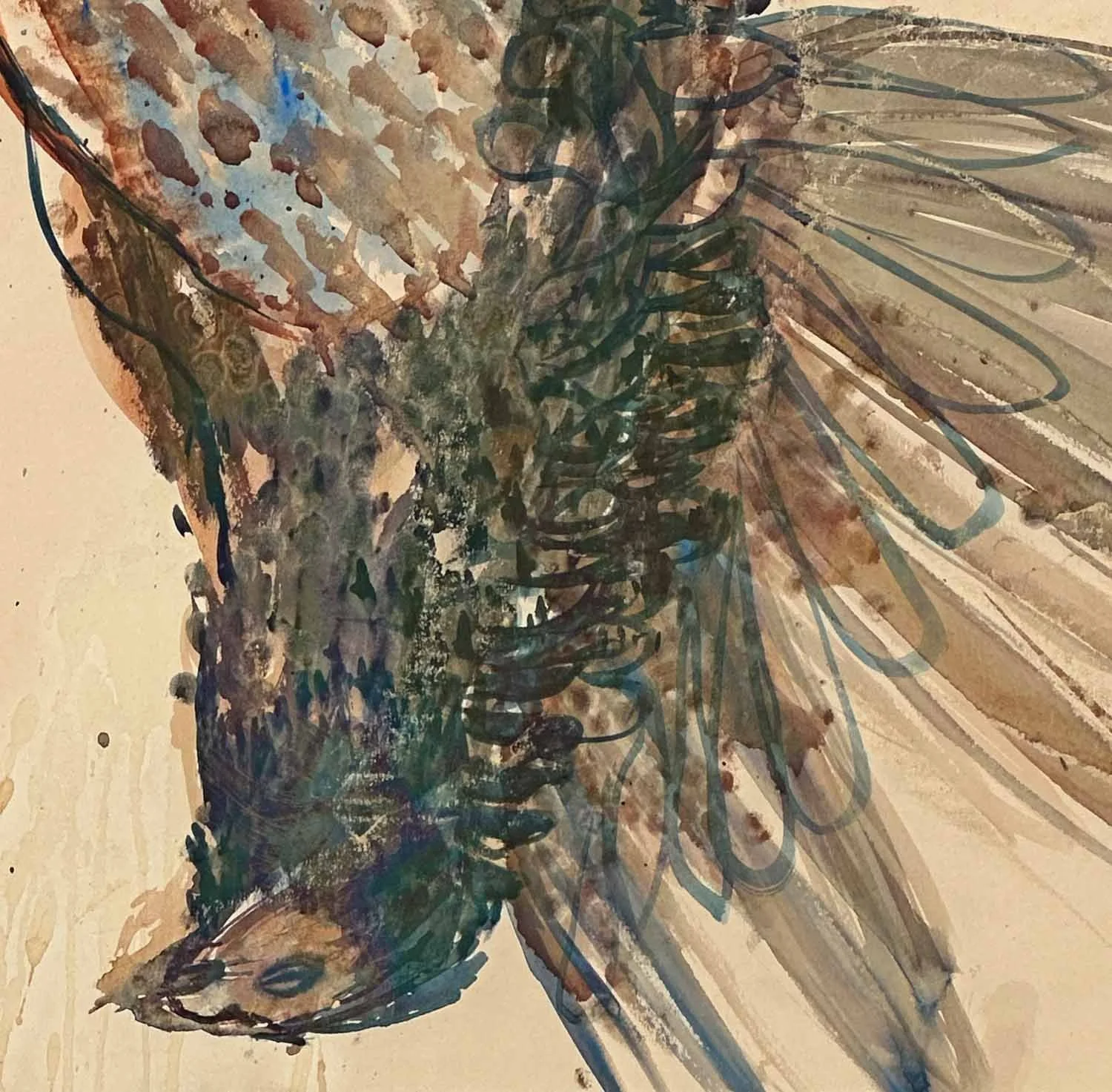
Left: Dame Elisabeth Frink 1965 Watercolour
The 20th century was a period of profound change in the world of art. The shift from realism to abstraction, the emergence of new artistic movements, and the impact of global events such as the World Wars all shaped the way British watercolour artists 20th century approached their work.
Watercolour, with its fluidity and transparency, became a medium through which British artists could experiment with light, texture, and emotion. Unlike oils or acrylics, watercolours offer a soft, ethereal quality that captures the subtle nuances of landscapes, portraits, and still life. This unique ability to convey atmosphere and mood is part of the reason why watercolours are such a cherished medium for collectors.
The Appeal of British Watercolours
Atmospheric Quality: Watercolour paintings can evoke a sense of lightness and airiness. Artists use the fluidity of the medium to create works that feel fresh and alive, often capturing moments of tranquillity or fleeting beauty.
Historical Significance: Many British watercolour artists of the 20th century created works that reflect pivotal moments in history, from the devastation of the World Wars to the blossoming of the British countryside.
Diverse Styles: British watercolour artists didn’t just stick to one style. From detailed botanical studies to abstract forms, watercolour was a versatile medium that allowed for a wide range of expression.
Affordability and Accessibility: Compared to oil paintings, watercolours are generally more affordable. This makes them an ideal starting point for new collectors who want to acquire original artwork without breaking the bank.
Key British Watercolour Artists of the 20th Century
If you’re considering starting a collection of British watercolour artists 20th century, it's essential to familiarize yourself with the most significant figures from this period. These artists shaped the landscape of British watercolour painting and have produced works that remain valuable and influential today.
1. John Nash (1893–1977)
John Nash was a prominent British watercolour artist and printmaker who is best known for his depictions of the English countryside and his work as a war artist during World War I. Nash’s delicate use of watercolour and his focus on rural life captured the simplicity and beauty of the British landscape. His works often evoke a sense of nostalgia and reverence for nature, making his watercolours highly sought after by collectors.
2. Eric Ravilious (1903–1942)
Eric Ravilious was one of the most innovative British watercolour artists of the 20th century. He is widely known for his charming yet precise watercolour landscapes, still life, and portraits. His work is deeply influenced by the English countryside, but Ravilious also had an interest in modern design and architecture. His clean lines, stylized forms, and evocative use of light make his works instantly recognizable.
3. Paul Nash (1889–1946)
Another prominent British war artist, Paul Nash, made significant contributions to the field of watercolour painting during the 20th century. His wartime works, which include haunting images of the devastation caused by World War I, are among his most famous. In addition to his war art, Nash’s watercolours of the English countryside, with their atmospheric landscapes and dreamlike quality, are highly regarded.
4. Duncan Grant (1885–1978)
Duncan Grant was a member of the Bloomsbury Group, an influential group of British intellectuals and artists. His work as a watercolour artist is marked by his use of vibrant colours and modernist techniques. Grant’s watercolours often incorporated both figurative and abstract elements, and his unique style set him apart from his contemporaries.
5. Beryl Cook (1926–2008)
Beryl Cook was a self-taught British artist who became known for her large, bold, and often humorous watercolours of people. She captured everyday life with a sense of playfulness and whimsy, creating images that were both accessible and deeply human. Cook’s work offers a refreshing departure from the more traditional landscape-focused watercolours of the time and is beloved by collectors for its boldness and charm.
Who else can you look at for 20th Century British Watercolours?

Right: Charles Knight - oil sketch (we know it isn’t a watercolour, but he is a great artist)
Ok, try a web search on these artists to broaden your options - Phyllis Barron (1890–1964), Edward Wesson (1910–1983), Bernard Meninsky (1891–1950), Dorothy Cox (1882–1947), Percy Robertson (1868–1934), Percy Kelly (1918–1993), Charles Knight (1901–1990) and Mabel Royds (1874–1941) also known for her wood cuts.
How to Start Collecting British Watercolours of the 20th Century

Left: Fred Mayor (1866-1916) - Girl Seated on the Grass
Starting a collection of British watercolour artists 20th century may seem daunting at first, but it can be a rewarding and enjoyable journey. Here are some tips to help you get started:
1. Understand the Medium
Watercolour is a unique medium that requires a certain level of skill to master. Unlike oils or acrylics, watercolours are transparent, meaning the artist must work with the natural white of the paper to create highlights and contrast. This makes it more challenging for artists to achieve the same level of depth, but when done correctly, watercolours have a luminous quality that is hard to replicate with other materials.It’s important to understand the characteristics of watercolour paintings before purchasing, such as the use of washes, wet-on-wet techniques, and dry brushwork. Studying these techniques can help you better appreciate the complexity of watercolour works and allow you to make more informed choices when buying.
2. Research the Artist’s Background
Before buying a piece, it’s important to research the artist’s career, style, and previous works. Many British watercolour artists 20th century had unique influences and contributed to different artistic movements, so understanding their background can help you identify the significance of their work. Auction houses and galleries often provide information on artists, and websites dedicated to art history can be valuable resources.
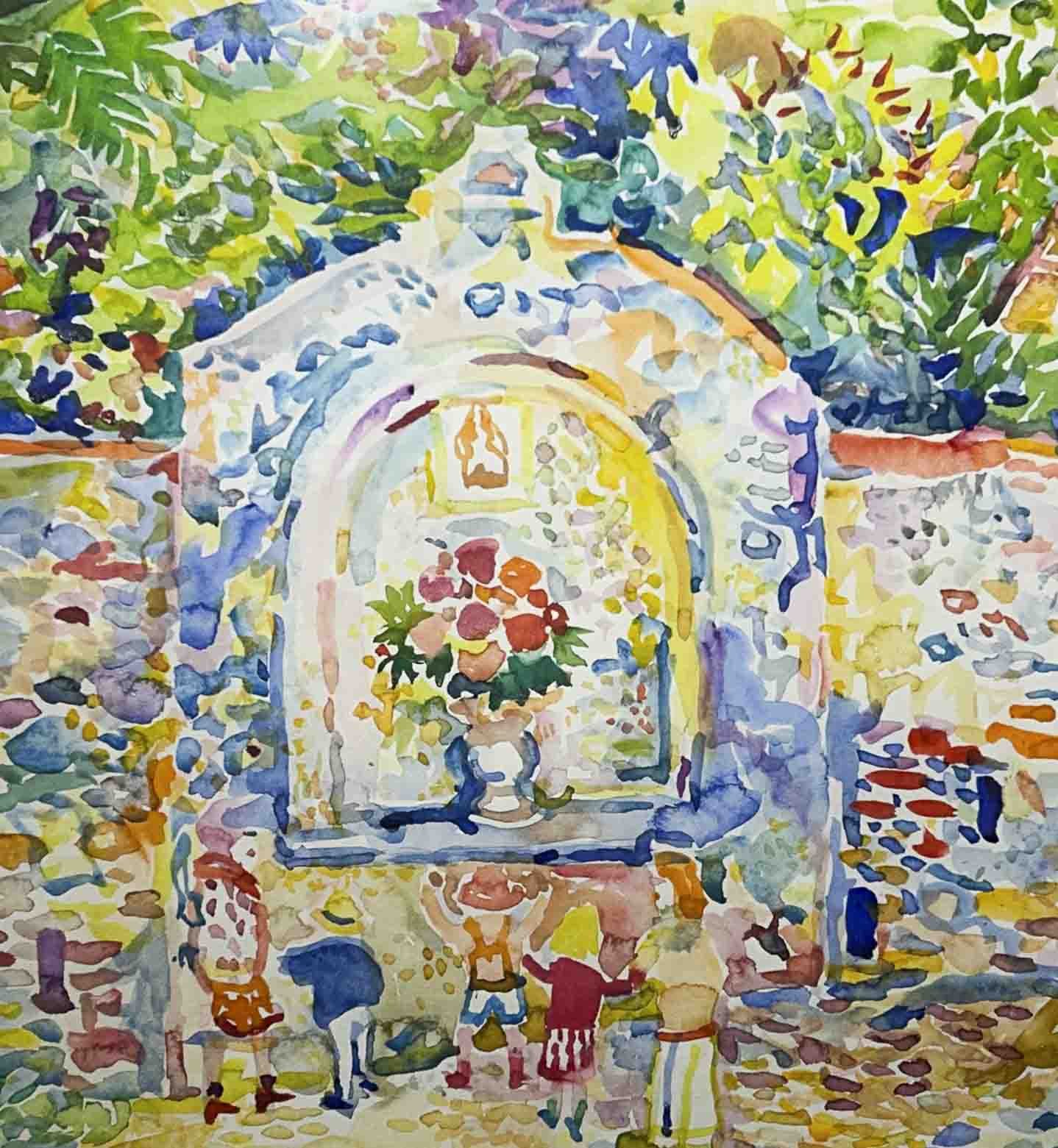
Right: Fred Yates, The Blessing (Watercolour)
3. Look for Provenance and Authentication
When collecting any form of art, especially works by renowned artists, it’s important to verify the painting’s provenance (its history of ownership) and authenticity. Provenance adds value to a piece, and knowing the painting's backstory can enhance your appreciation for the work. Be sure to seek out reputable dealers who can vouch for the work’s origin.
4. Inspect the Condition of the Painting
Watercolours can be delicate, and over time they may fade, tear, or become discoloured. When inspecting a piece, check the paper for any signs of deterioration, such as foxing (brown spots), fading, or discoloration. A well-preserved watercolour painting will retain its vibrancy and charm. If you’re unsure about the condition, it’s always a good idea to consult with a conservator.About Foxing, not Watercolours best friend!
Foxing on paper refers to the appearance of brownish, reddish, or yellowish spots or blotches that develop over time, often seen on antique books, prints, drawings, and watercolours. It does not affect the structural integrity of the paper but can significantly impact its visual quality and value, especially in art or rare book collections.
Causes of Foxing:
Humidity and Moisture – Creates an ideal environment for mould or fungal growth.
2. Metallic Impurities – Iron or copper particles in the paper oxidise over time.
3. Fungal Activity – Certain types of mould can feed on organic materials in paper.
Can It Be Removed?
Professional paper conservators can reduce or remove foxing through careful chemical or enzymatic treatments, but it's delicate work. DIY removal is not recommended, especially for valuable works.
Foxing is a common concern in the preservation of works on paper, and controlled storage conditions (stable humidity, cool temperatures, archival materials) are essential for prevention.
Start with Smaller Works or Lesser-Known Artists
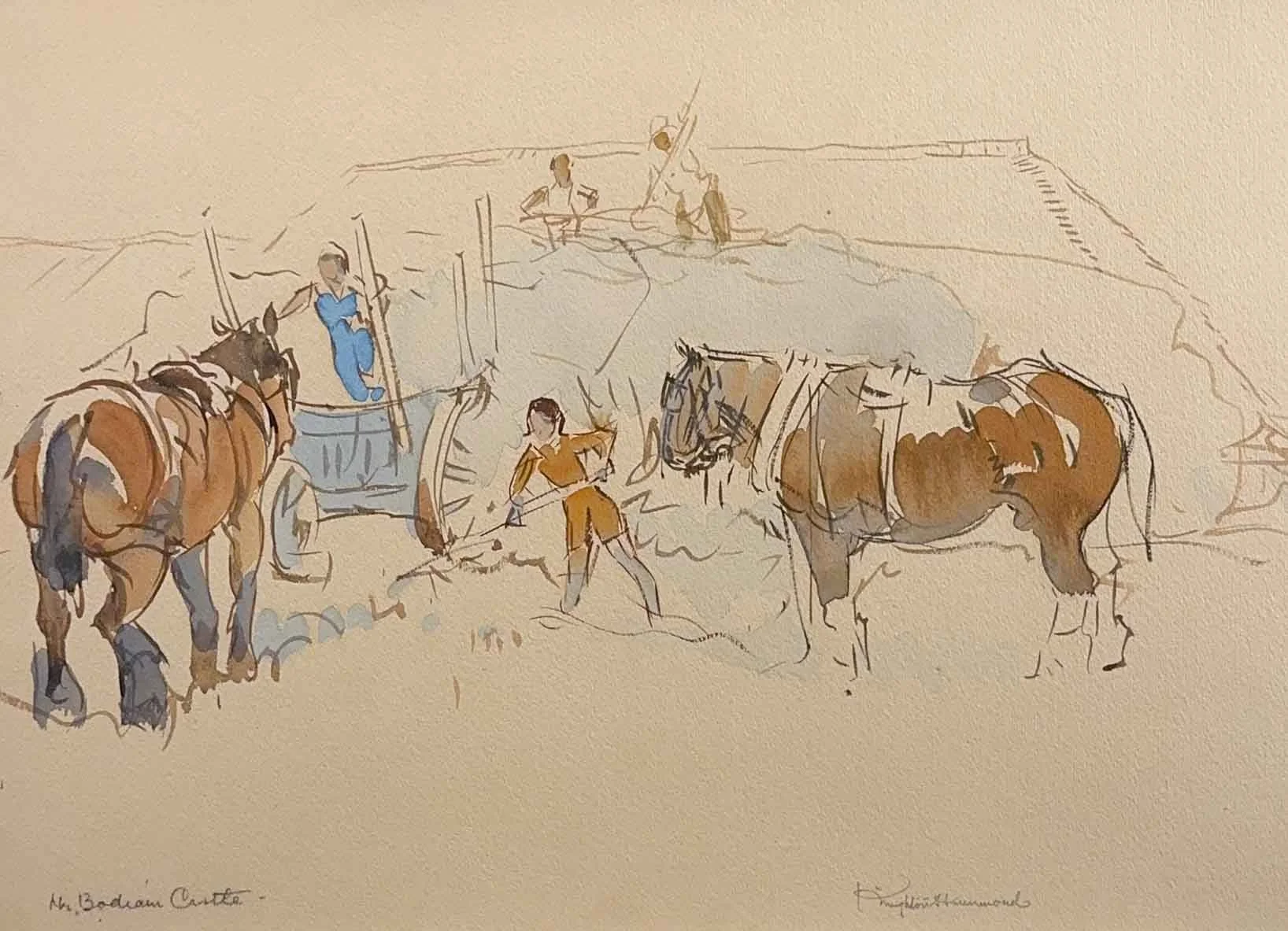
Left: Henry Knighton-Hammond, Haymaking (Watercolour) Coming Soon to our Gallery
If you’re new to collecting, consider starting with smaller works or lesser-known names by 20th Century British watercolour artists. These can be more affordable and allow you to enjoy the beauty of watercolour art while building your knowledge. As your collection grows, you can branch out into larger, original works by more prominent artists.
Conclusion
Collecting British watercolour art can be a fulfilling and financially rewarding pursuit over time. These artists produced some of the most beautiful and evocative works of the 20th century, and their pieces continue to resonate with collectors and art lovers around the world. By understanding the medium, researching key artists, and carefully considering the condition and provenance of each piece, you can build a collection that will bring joy for years to come.
Happy collecting, and enjoy the timeless beauty of British watercolours!