Barrington Tabb Art for Sale
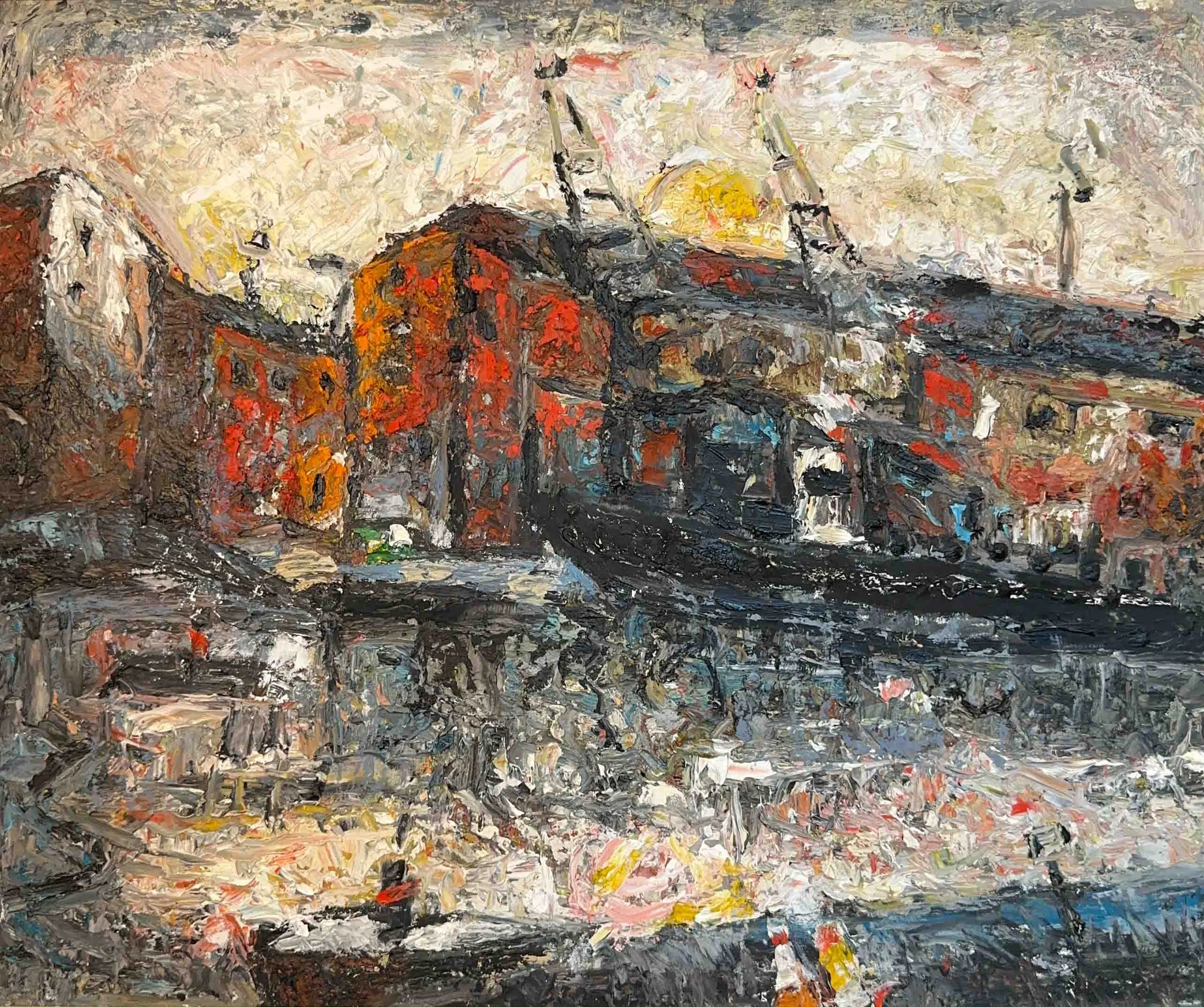
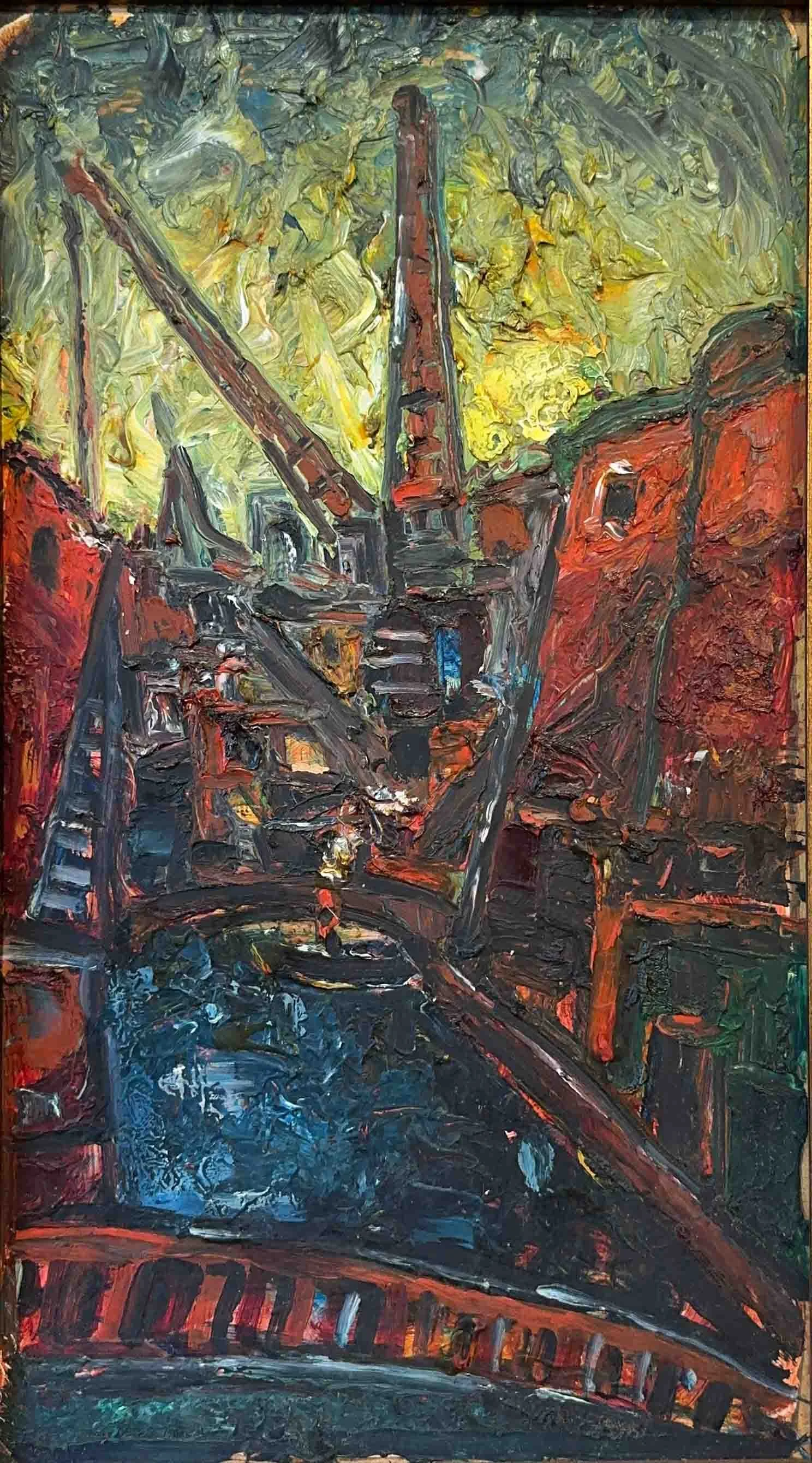
Barrington Tabb (1934-2022) Bristol’s Impressionist Artist
Barrington Moore Tabb was born on April 25, 1934, in Almondsbury, South Gloucestershire. He lived and worked in and around Bristol for nearly nine decades, becoming one of the city’s most cherished visual storytellers. Tabb passed away on December 9, 2022, leaving behind a rich legacy of paintings that captured the gritty charm and emotional depth of everyday life in Bristol.
Self-Taught Visionary
Though Tabb briefly attended art school, he was largely self-taught, beginning his artistic journey in the mid-1950s. This independence allowed his creative voice to flourish unencumbered by academic constraints. His style evolved organically, shaped by personal experience and a deep emotional connection to his surroundings.
Tabb’s work is instantly recognisable for its impasto technique, thick, textured oil paint applied with expressive energy. His subjects were often the docks, pubs, parks, and streets of Bristol, rendered with a raw honesty that resonated with viewers. His art was not about photographic realism but about emotional truth, often influenced by his unique visual perception due to an eye condition that blurred his central vision.
Artistic Influences and Style
Tabb drew inspiration from French Impressionists and primitive painters, but his work remained distinctly his own. He once remarked, “I don't want my work to look like a camera took it. I want to give vent to the distortion as well as the emotion.” This philosophy underpinned his entire career, resulting in paintings that feel alive, tactile, and intimate.
Exhibitions and Recognition
Barrington Tabb’s art gained significant recognition throughout his life. He was an elected member of the Royal West of England Academy (RWA), where he exhibited regularly. His work was also featured in:
Clifton Arts Club
Annexe Gallery, Wimbledon
Christopher Hull Gallery, London
Nevill Gallery, Bath
Black Swan Guild, Frome (1997)
International exhibition in Davos, Switzerland (1976)
Tabb’s paintings are held in public collections including the RWA, Victoria Art Gallery, and University Hospitals Bristol NHS Foundation Trust. He was represented for many years by Cube Gallery in Bristol, which helped bring his work to a wider audience.
Family and Personal Life
Barrington Tabb was a devoted husband to Grace, and a loving father and grandfather. His family included daughters Alison and Monica, and grandchildren Damien, Jason, and Jacob. Friends and colleagues remembered him as a gentle soul, deeply committed to both his art and his loved ones.
Market Presence and Collector Interest
Tabb’s work continues to attract collectors and art lovers. His art remains relevant in today’s market, especially among collectors seeking authentic British impressionism and regional storytelling. The emotional depth and historical resonance of his work make it a compelling addition to both private and institutional collections.
Legacy and Influence
Barrington Tabb’s legacy is deeply entwined with the architecture, people, and spirit of Bristol. His paintings are more than visual records, they are emotional landscapes, rich with texture, memory, and meaning. He inspired a generation of artists to look inward, to find beauty in the everyday, and to trust their own vision.
As Jon Benington, former manager of the Victoria Art Gallery, aptly put it: “Barrington is a greatly missed friend and artist who brightened many of my days with his perceptive insights into art and artists.”
Barrington Tabb’s art is a celebration of place, emotion, and authenticity. His self-taught journey, impassioned style, and devotion to Bristol make him a standout figure in British art history. His legacy continues to inspire, reminding us that true artistry lies not in perfection, but in honest expression.
Source: Multiple web-based articles and research sites
Artist: Barrington Tabb (1934-2022)
Title: Autumn Evening on Bristol Bridge
Medium: Oil on Board
Provenance: Artists Estate
Dimensions with frame: 65cm x 85.5cm
Framed and ready to hang
4% Artists Resale Rights (ARR) included in the price.
Ref: 138BT